
Holy Week in Málaga 2026: Complete Guide to Experiencing It from the Inside
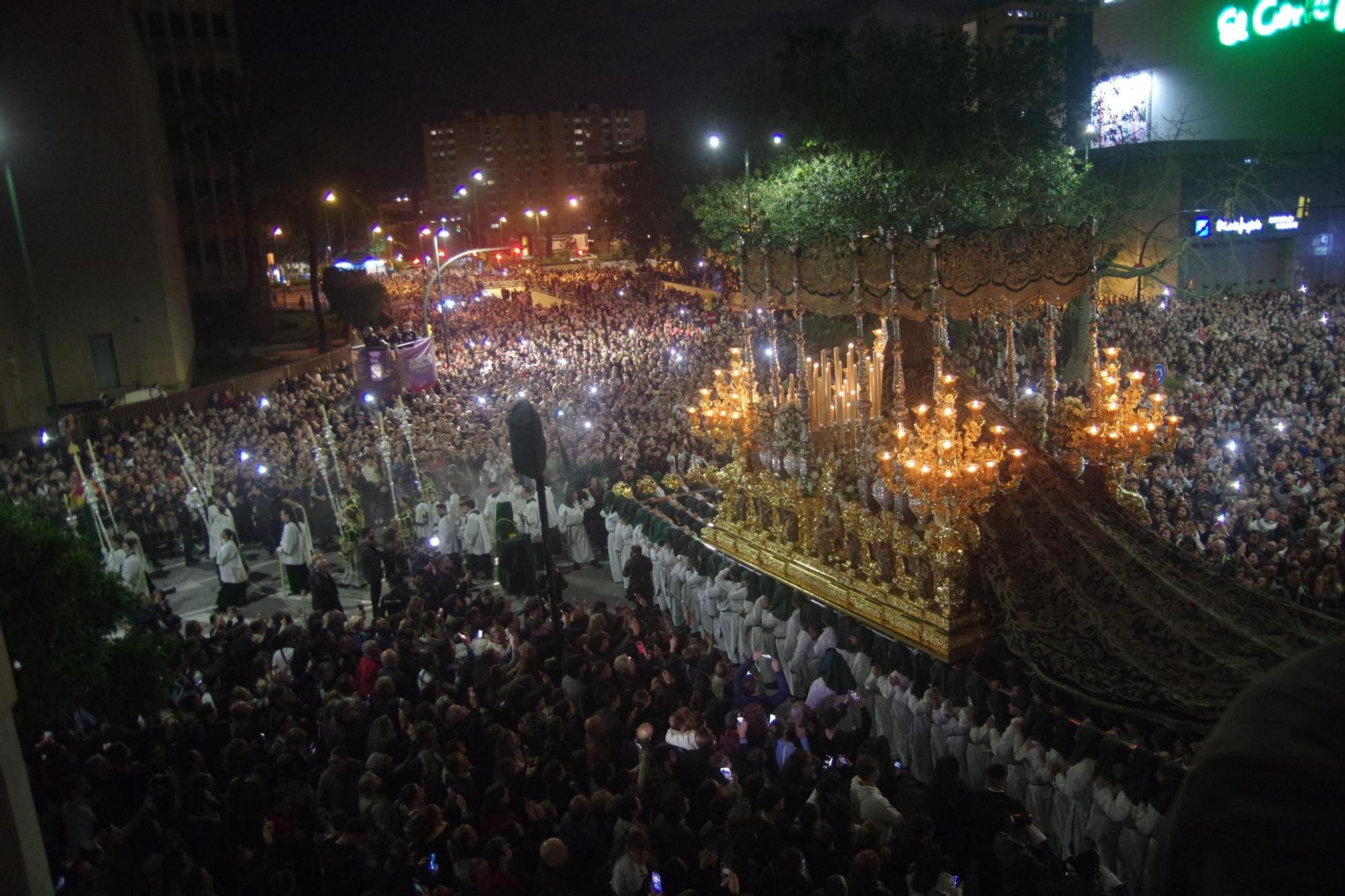
Málaga’s Holy Week is unlike any other. It’s not just religion, it’s not just tradition — it’s an entire week in which a whole city transforms. The streets fill with incense, drum and trumpet music, and thrones weighing several thousand kilos that dozens of men and women carry on their shoulders for hours. If you’ve never experienced it, this guide prepares you to make the most of it. If you already know it, you might discover something you didn’t know yet.
When is Holy Week in Málaga 2026?
Holy Week 2026 begins on Palm Sunday, March 29, and ends on Easter Sunday, April 5. That’s eight full days in which the city lives in a constant state of excitement, with processions from early morning until well into the early hours.
Holy Thursday and Good Friday are national public holidays — most shops close, although restaurants stay open (they get very busy, so book in advance). The rest of the week are normal working days, but the cofrade atmosphere takes over everything from midday onwards.
What makes Málaga’s Holy Week unique
Málaga has a Holy Week declared a Festival of International Tourist Interest, but what really makes it special isn’t the title — it’s the way its people live it.
Unlike other Andalusian cities where the thrones are hidden under skirts, in Málaga the men and women carrying the thrones bear them visibly on their shoulders, with the poles resting directly on their necks. It’s a monumental physical effort that the public witnesses and celebrates openly.
Another distinctive element is the chicota — the moment when the bearers lift, sway or spin the throne in a collective precision manoeuvre. When it happens, the crowd explodes. If you hear people starting to clap rhythmically and shout, get ready: a chicota is coming.
And then there are the saetas — improvised flamenco songs sung from a balcony or from the crowd when a throne that especially moves someone passes by. The procession stops. Absolute silence falls. And a single voice fills the entire street. It is one of the most intense moments you can experience in Andalusia.
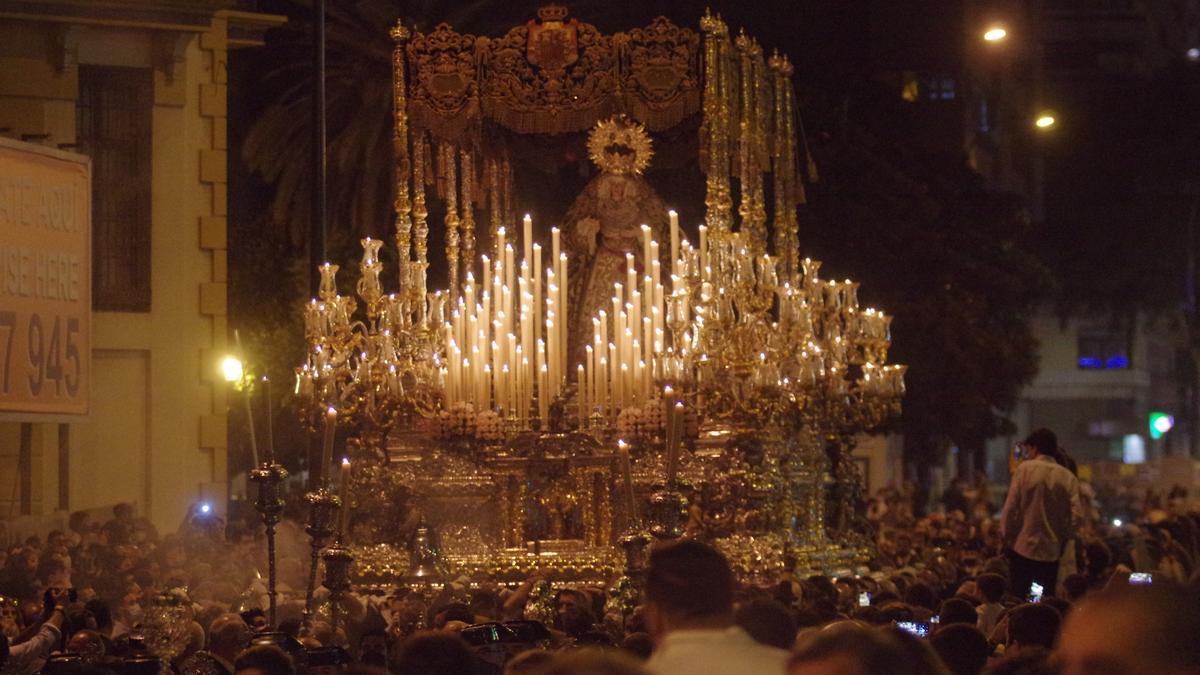 Photo: laopiniondemalaga
The 45 brotherhoods: which ones to start with
In 2026, 45 cofradías will process throughout the week. For first-timers, the number can feel overwhelming. Don’t try to see them all — choose one or two per day and truly enjoy them instead of rushing from place to place.
These are the ones you cannot miss:
El Cautivo — Holy Monday
Known as “the Lord of Málaga”, it is the brotherhood with the greatest popular devotion of the entire week. It leaves from the La Trinidad neighbourhood and its crossing of the Puente de la Aurora creates one of the most emotional images of Spanish Holy Week. If you only see one brotherhood all week, make it this one.
Mena and the Legion — Holy Thursday
The most spectacular and unique moment of the entire Málaga Holy Week. The Spanish Legion arrives at the Port of Málaga early in the morning and carries the Christ of the Good Death in a parade that combines religious fervour with military solemnity. There is nothing like it in Spain. In the evening, the Mena procession winds through the centre until the early hours.
La Pollinica — Palm Sunday
The most family-friendly and joyful procession of the week. It opens Holy Week at 9:45 a.m. with palms and palm branches. Perfect if you’re travelling with children or want your first taste of the atmosphere without the intensity of the big days.
El Descendimiento — Good Friday
It leaves from La Malagueta with the sea in the background and travels along the Paseo de Reding to the Cathedral. The atmosphere is completely different from the rest of the week — more intimate, quieter, with a different kind of emotional power.
El Rico — Holy Wednesday
It features one of the most unique moments of the entire Holy Week: the release of a real prisoner in front of Plaza del Obispo, a tradition dating back centuries that is still observed today.
The official route and the best spots to watch the thrones
All the brotherhoods pass along the official route, which starts in Plaza de la Constitución, runs along Calle Larios, down Martínez towards Atarazanas, continues along Alameda Principal, Plaza de la Marina and ends in Molina Lario next to the Cathedral.
Calle Larios is the epicentre — the spot where the atmosphere is most intense and the crowd is thickest. There are paid reserved seats on both sides and standing areas behind. If you want a seat, buy it weeks in advance on the Agrupación de Cofradías website.
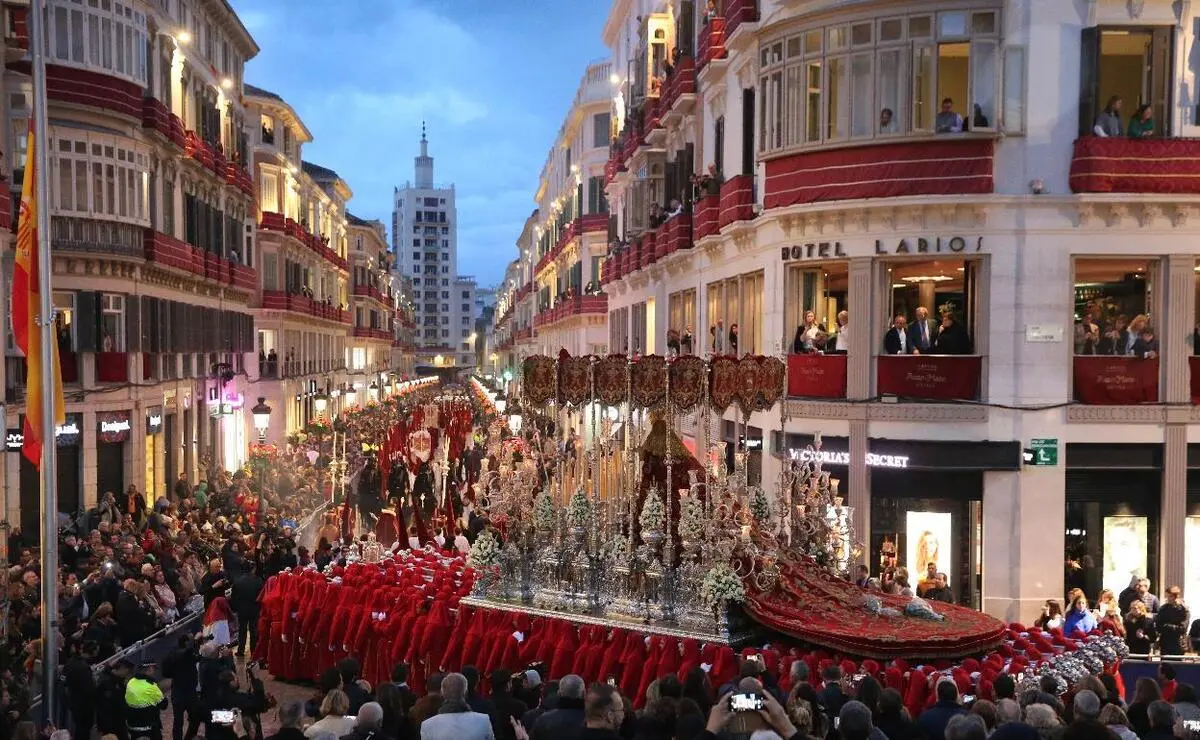
Photo: cargest
Alternatives if you want to avoid the crowds in Larios:
The Tribuna de los Pobres, on Calle Carretería, is the best-kept secret of Málaga’s Holy Week. It’s free, the atmosphere is 100% local, and the thrones pass just metres away from you. Brotherhoods like El Cautivo, La Columna, El Prendimiento or Zamarrilla go through here. If you can only be in one place, this is it.
Alameda Principal and Plaza de la Marina let you watch the thrones with perspective, more space to move and without the claustrophobia of Larios. Ideal if you’re with children or sensitive to very crowded spaces.
Near the churches — the exit (salida) and return (encierro) moments of each brotherhood are the most dramatic. Watching a throne weighing several thousand kilos manoeuvre through the church doors is unforgettable. These are more intimate and less crowded than the official route.
Day by day: what to expect each day
| Day | Atmosphere | Highlighted Brotherhoods |
|---|---|---|
| Palm Sunday | Family-friendly, festive | La Pollinica, Lágrimas y Favores |
| Holy Monday | Maximum devotion | El Cautivo, La Columna |
| Holy Tuesday | Good for chaining several | El Rocío, La Sentencia |
| Holy Wednesday | Very powerful night | El Rico, La Expiración |
| Holy Thursday | The most intense day | Mena and the Legion, Zamarrilla |
| Good Friday | Solemn and emotional | El Descendimiento, Santo Sepulcro |
| Holy Saturday | Quiet | La Soledad |
| Easter Sunday | Joyful and family-friendly | La Resurrección |
Holy Week gastronomy: what to eat
Holy Week has its own cuisine, inherited from Lenten fasting. These are the must-tries:
Torrijas — The most typical sweet of Holy Week across Spain. Bread soaked in milk or sweet wine, fried and covered in sugar with cinnamon or honey. All bakeries make them during the week. Addictive.
Pestiños — Fried dough bathed in honey or sugar. Crispy and sweet, you’ll find them in any Málaga confectionery.
Potaje de vigilia — Chickpea stew with cod, the traditional dish for meat-abstinence days. A hearty recipe that has been on Málaga tables for centuries during Holy Week.
Cod — Prepared in a thousand ways this week: with tomato, in fritters, pil-pil style. If you see a special Holy Week menu in a restaurant, order it.
Málaga wine — Málaga Dulce and Pedro Ximénez are the wines of the week. Sweet and dark, you’ll find them in any bar in the city.
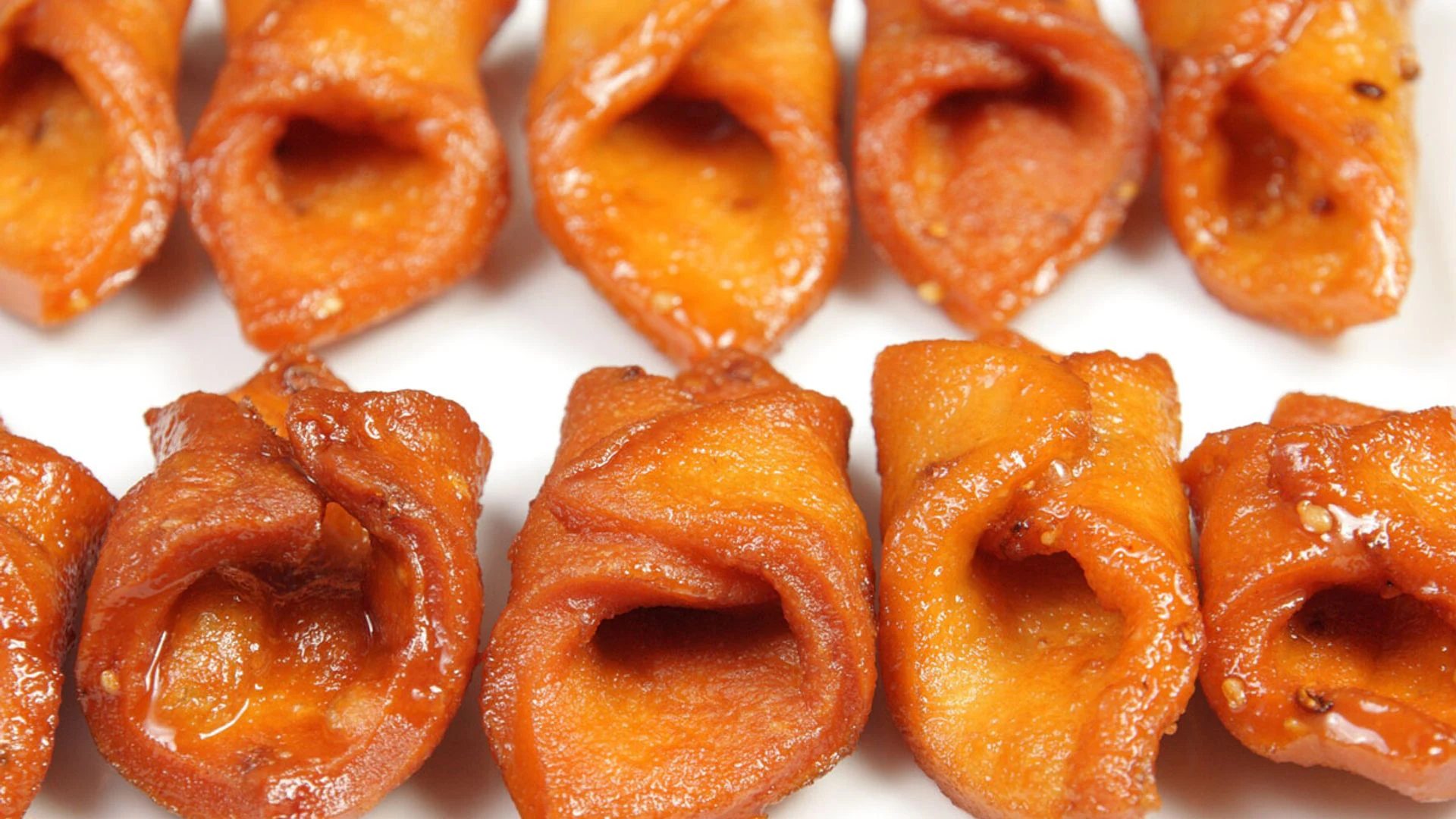 Photo: Créditos Diario HOLA
Practical tips before you go
Footwear is the most important thing. You’ll be standing for hours on cobblestones. There’s no negotiation here — comfortable trainers or you will suffer.
Dress in layers. Daytime temperatures can reach 18-22°C, but the nights of Holy Thursday and Good Friday get quite cool, especially if you’re standing watching a procession. Always bring a jacket.
Rain cancels everything. The thrones are works of art worth hundreds of thousands of euros — they cannot get wet. If it rains or there is a real risk of rain, the head brother cancels with no possibility of rescheduling. Check the weather every morning and follow the brotherhoods’ social media for real-time updates.
Arrive early. In the most popular spots, 30-45 minutes’ margin is essential to get a good position. On Holy Thursday and Palm Sunday, even more.
The official app. The Semana Santa de Málaga app has real-time GPS tracking of each brotherhood, schedules and routes. It’s free and very useful for always being in the right place.
Holy Week beyond Málaga: day trips from the Costa del Sol
Holy Week isn’t just Málaga. All of Andalusia celebrates the week with its own traditions, and from Fuengirola you’re less than two hours away from some of the most impressive ones:
Ronda (~1h 30min) — Processions through the medieval streets of one of Andalusia’s most spectacular villages. Much more intimate than Málaga, with thrones passing just centimetres from you down narrow alleys.
Granada (~1h 30min) — Holy Week with the Alhambra in the background and the snow-capped Sierra Nevada is a hard image to beat. The processions in Sacromonte and Albaicín are especially emotional.
Seville (~2h 30min) — The most internationally famous Holy Week. The pasos are carried hidden under skirts by invisible costaleros, very different from the Málaga style. If you can choose one day, the early hours of Good Friday are the most impressive.
Córdoba (~2h) — Processions through medieval streets so narrow that the thrones brush against the walls. A completely different experience.
💡 Important: if you plan day trips during Holy Week, keep in mind that all cities celebrate at the same time. Roads get congested — especially on Holy Thursday and Good Friday. Leave early and allow more time than usual for journeys.
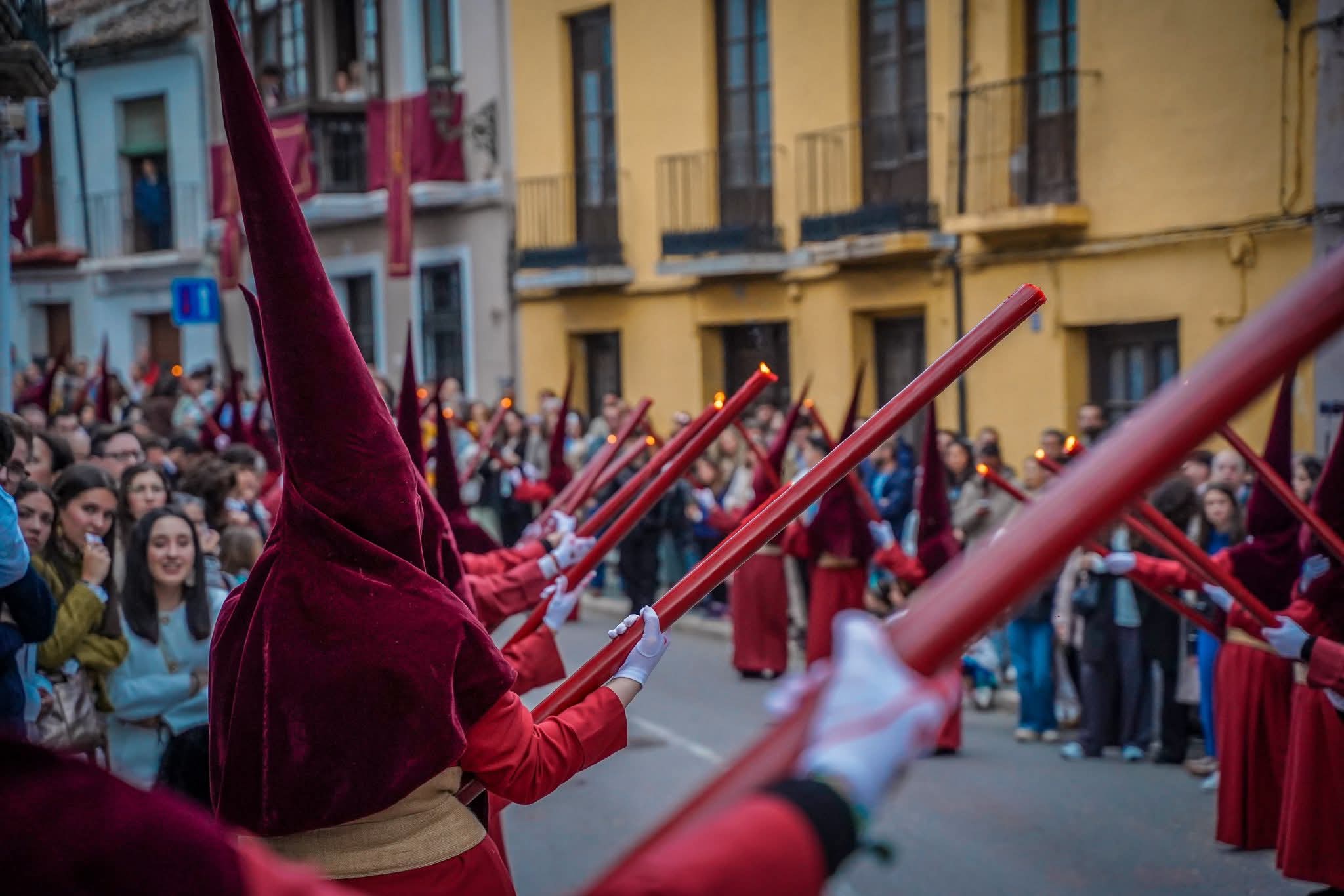 Photo: Ronda's City Hall
How to get there and get around during Holy Week
Málaga city centre becomes pedestrianised during the processions. Streets close, buses are diverted and traffic in the historic centre is practically impossible on the big days. The best way to move around the city is by metro and on foot.
If you’re coming from Fuengirola or anywhere on the Costa del Sol, the most comfortable option is to drive to an outer car park — the port, La Marina or Alcazabilla car parks are good choices — and then take the metro or walk from there.
And if you want total freedom of movement all week — arrive when you want, leave when you want, do that trip to Ronda or Granada without depending on train or bus schedules — having a rental car makes all the difference.
At 7Rent a Car we have cars available throughout Holy Week, with direct collection in Fuengirola 24 hours a day, 7 days a week — no queues, no transfers, no surprises on the price.
🚗 Book your car at 7rentacar.es and experience Holy Week with complete freedom.